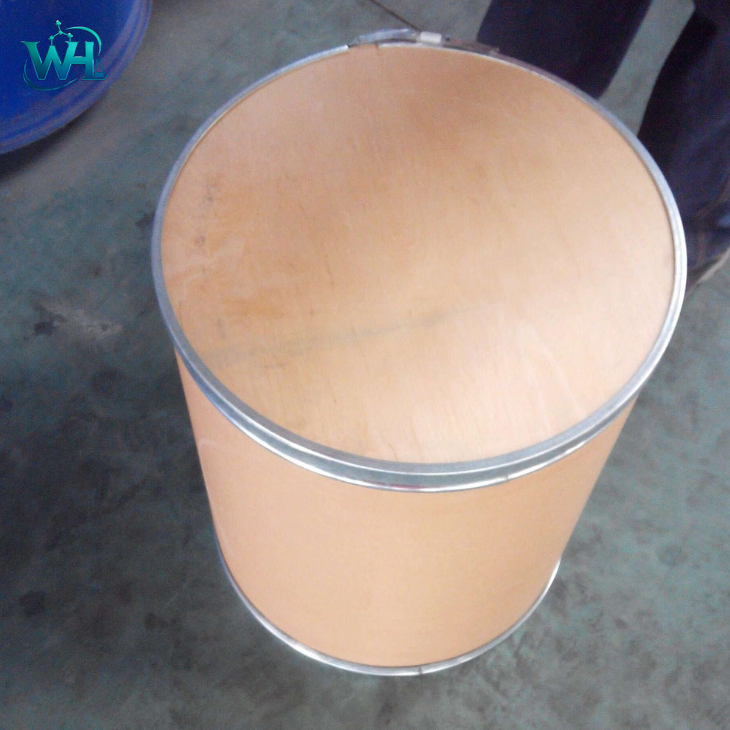
Phenol CAS# 108-95-2
We specialize in the fields of maternal and child care and home cleaning, providing end-to-end ODM/OEM solutions from product development to packaging design. Relying on intelligent production lines, we support small batch customization and fast sampling, providing personalized services such as formula adjustment, fragrance innovation, and environmentally friendly packaging materials. Through a global delivery network, we assist brands in efficiently expanding their markets and achieving one-stop intelligent manufacturing upgrades for products from concept to terminal.
Contact Us
product description
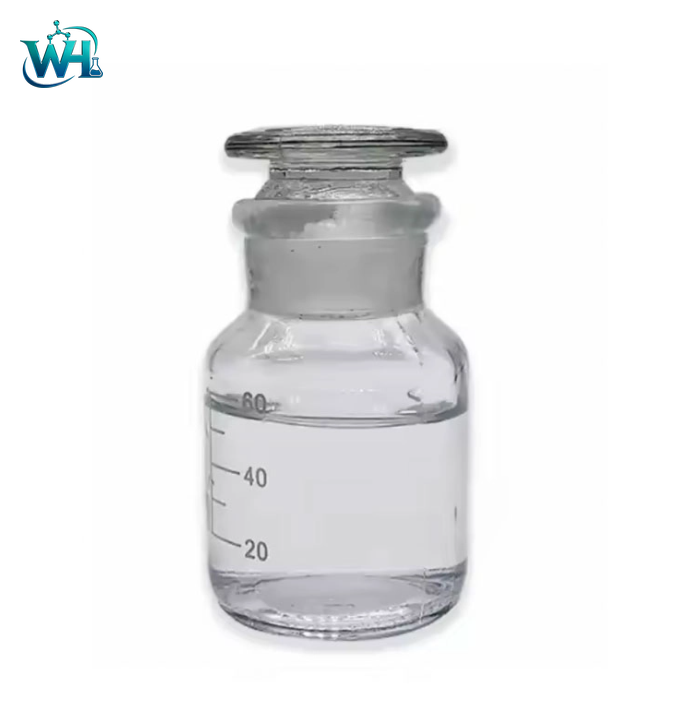
Phenol CAS# 108-95-2
Phenol is the easiest member of a classification of natural compounds possessing a hydroxyl team connected to a benzene ring or to a extra complicated fragrant ring system.
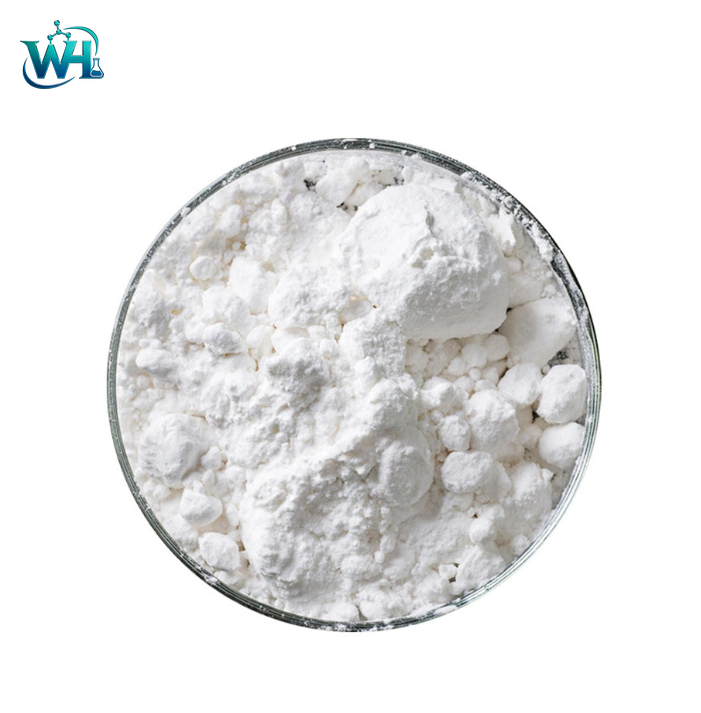
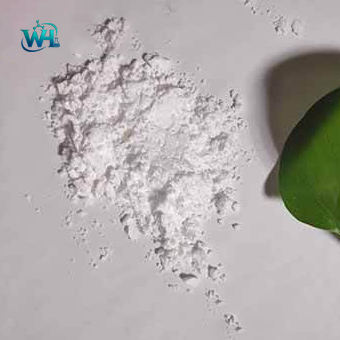
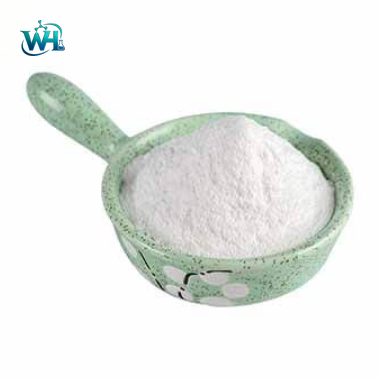
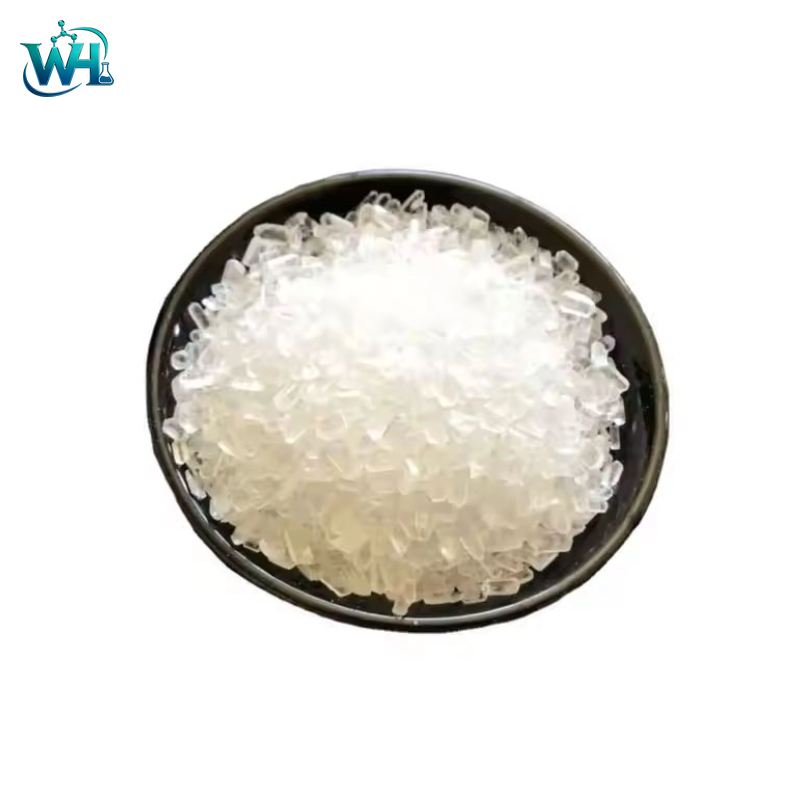
Also recognized as carbolic acid or monohydroxybenzene, phenol is a colorless to white crystalline fabric of candy odor, having the composition C6H5OH, bought from the distillation of coal tar and as a derivative of coke ovens.
Phenol has extensive biocidal properties, and dilute aqueous options have lengthy been used as an antiseptic. At greater concentrations, it motives extreme pores and skin burns; it is a violent systemic poison. It is a precious chemical uncooked cloth for the manufacturing of plastics, dyes, pharmaceuticals, syntans, and different products.
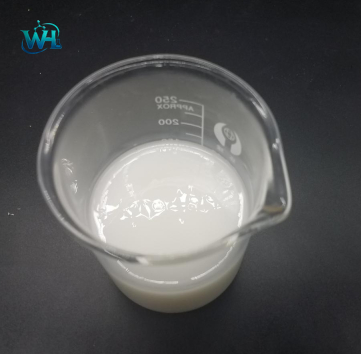
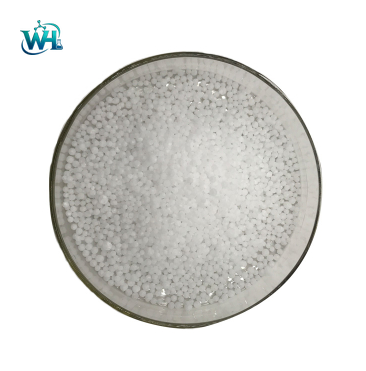
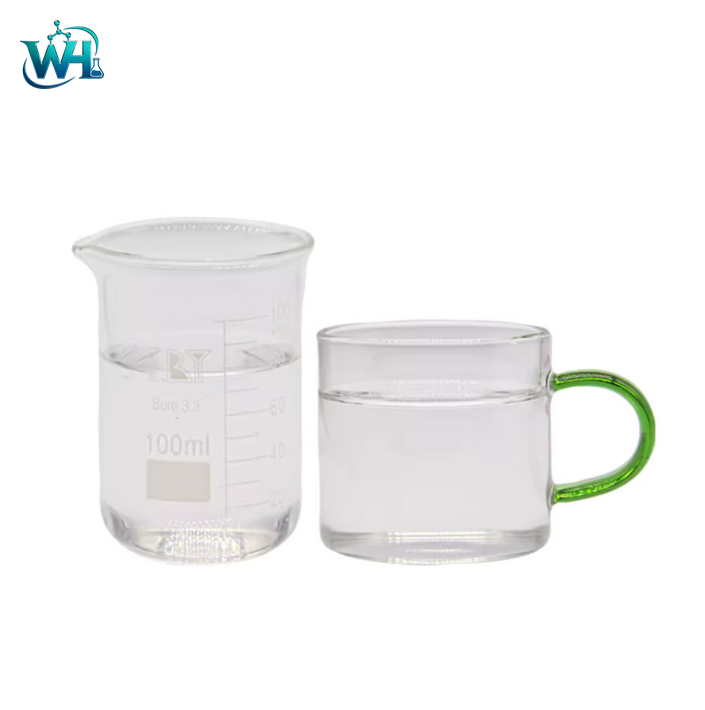
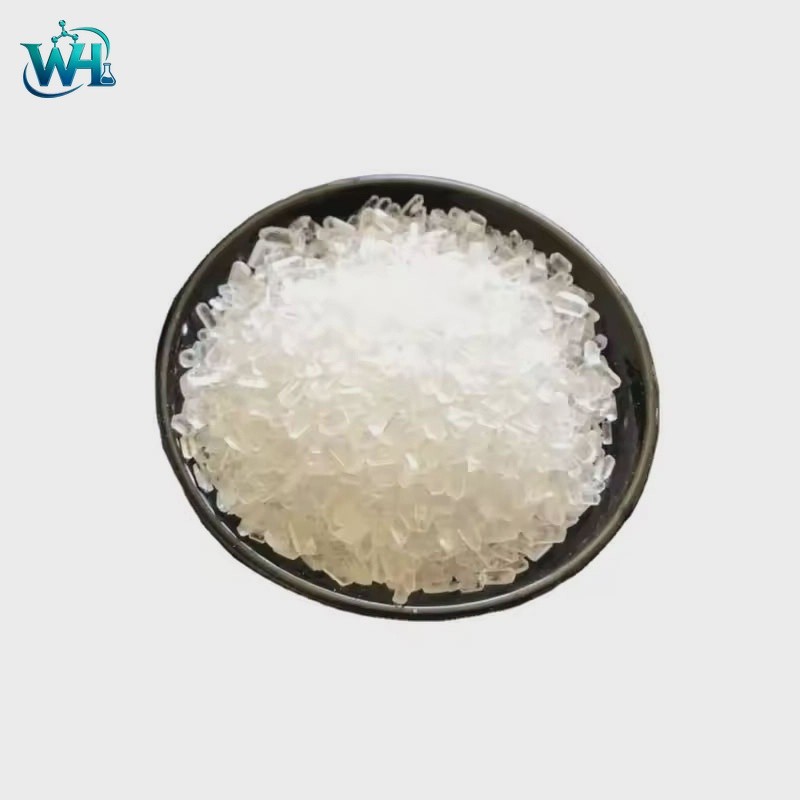
phenol crystal
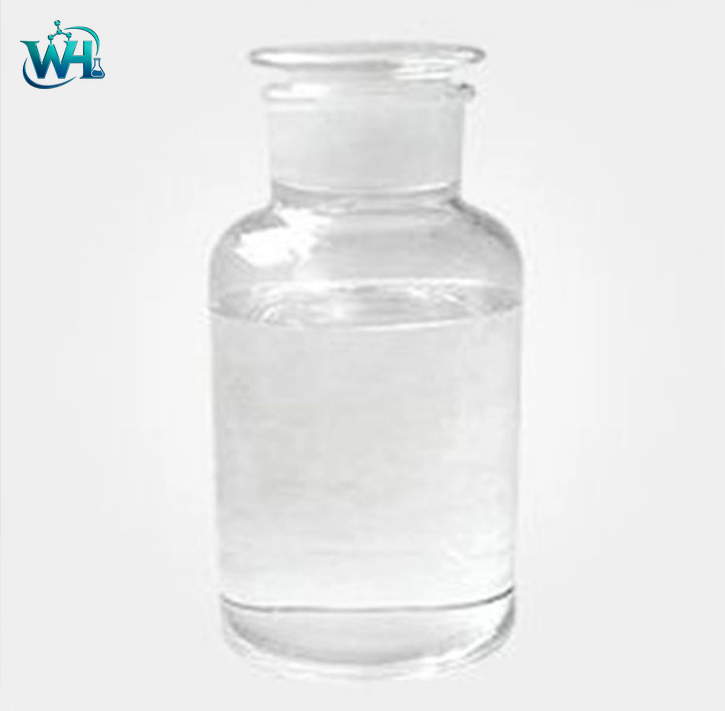
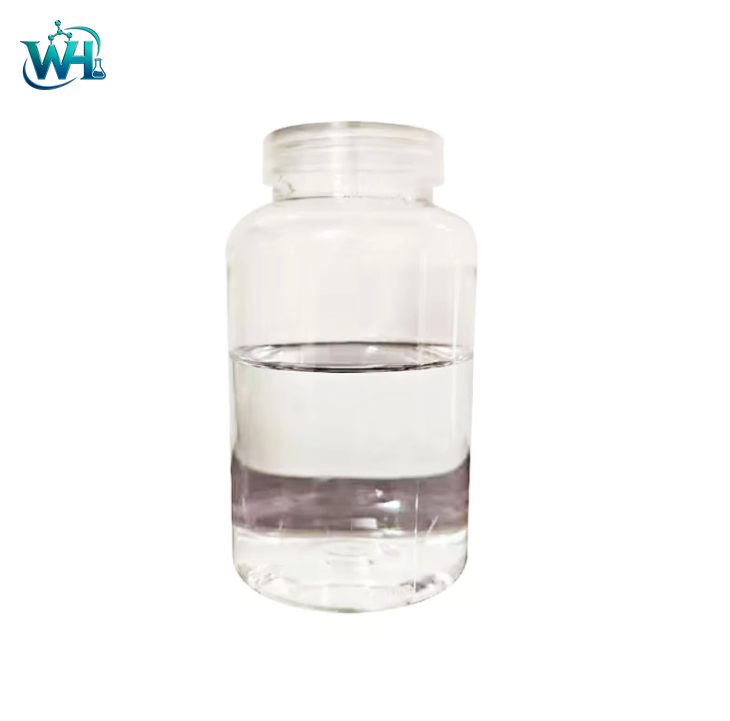
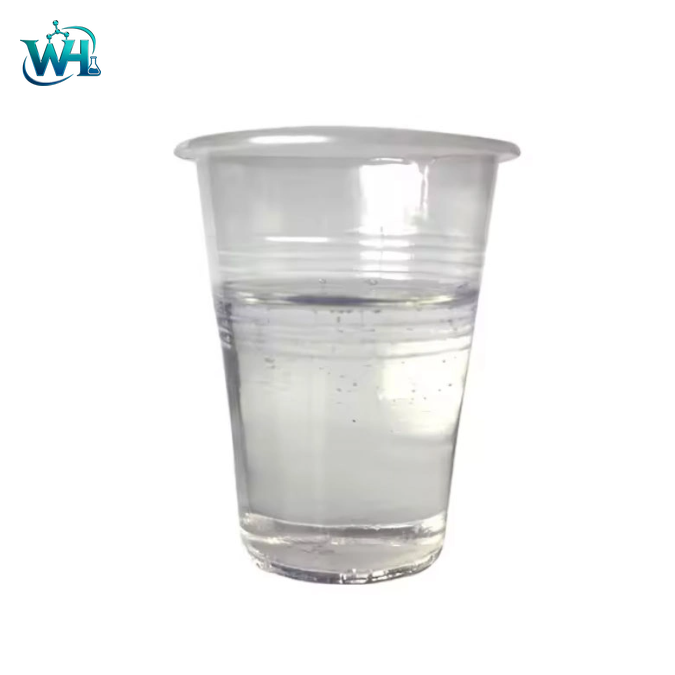
Phenol melts at about 43°C and boils at 183°C. The pure grades have melting factor of 39°C, 39.5°C, and 40°C. The technical grades include 82%-84% and 90%-92% phenol. The crystallization factor is given as 40.41°C. The unique gravity is 1.066. It dissolves in most natural solvents. By melting the crystals and including water, liquid phenol is produced, which stays liquid at regular temperatures. Phenol has the uncommon property of penetrating residing tissues and forming a treasured antiseptic. It is additionally used industrially in reducing oils and compounds and in tanneries. The cost of different disinfectants and antiseptics is generally measured by means of evaluation with phenol.
Product Usage
Propionic acid is used in the productionof propionates used as mold inhibitors andpreservatives for grains and wood chips, inthe manufacture of fruit flavors and perfumebases, and as an esterifying agent.
Propionic Acid is the acid source of the propionates. propionic acid in the liquid form has a strong odor and is corrosive, so it is used as the sodium, calcium, and potassium salts as a preservative. these yield the free acid in the ph range of the food in which they are used. it functions principally against mold.
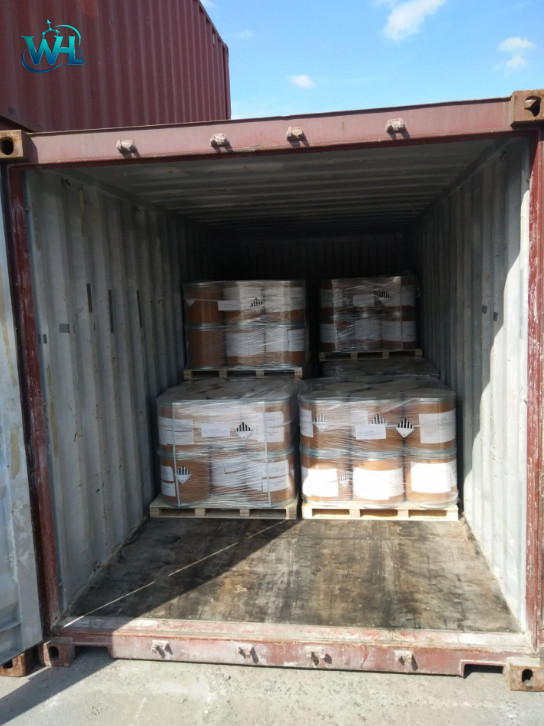
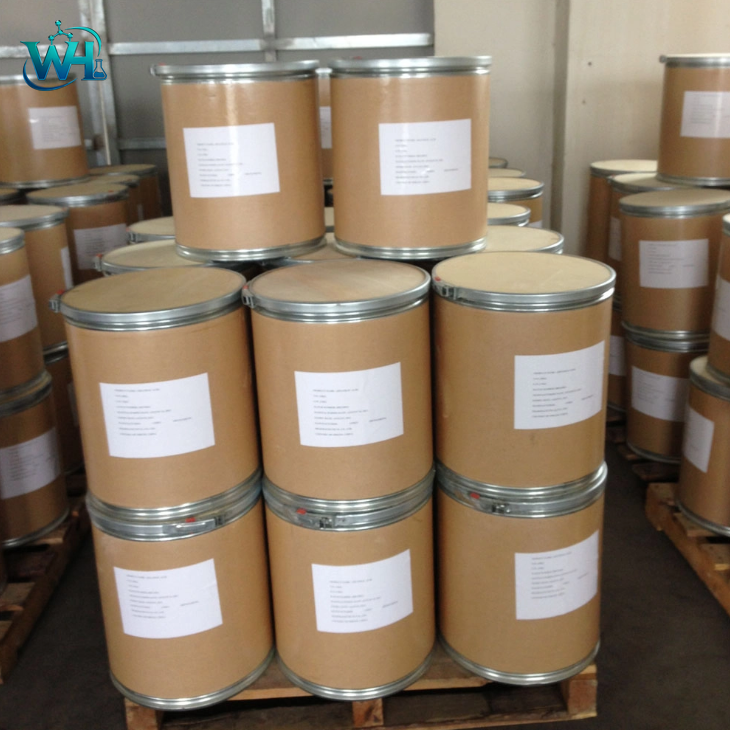
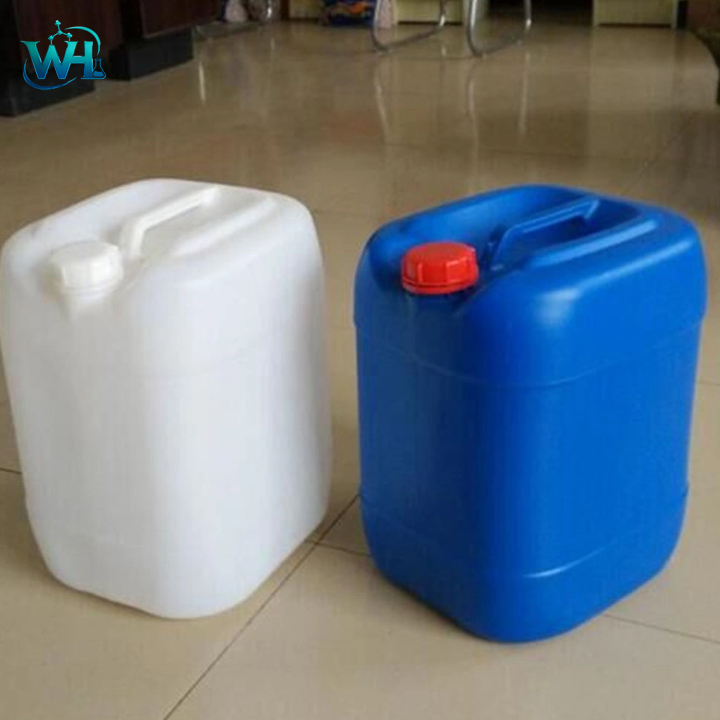
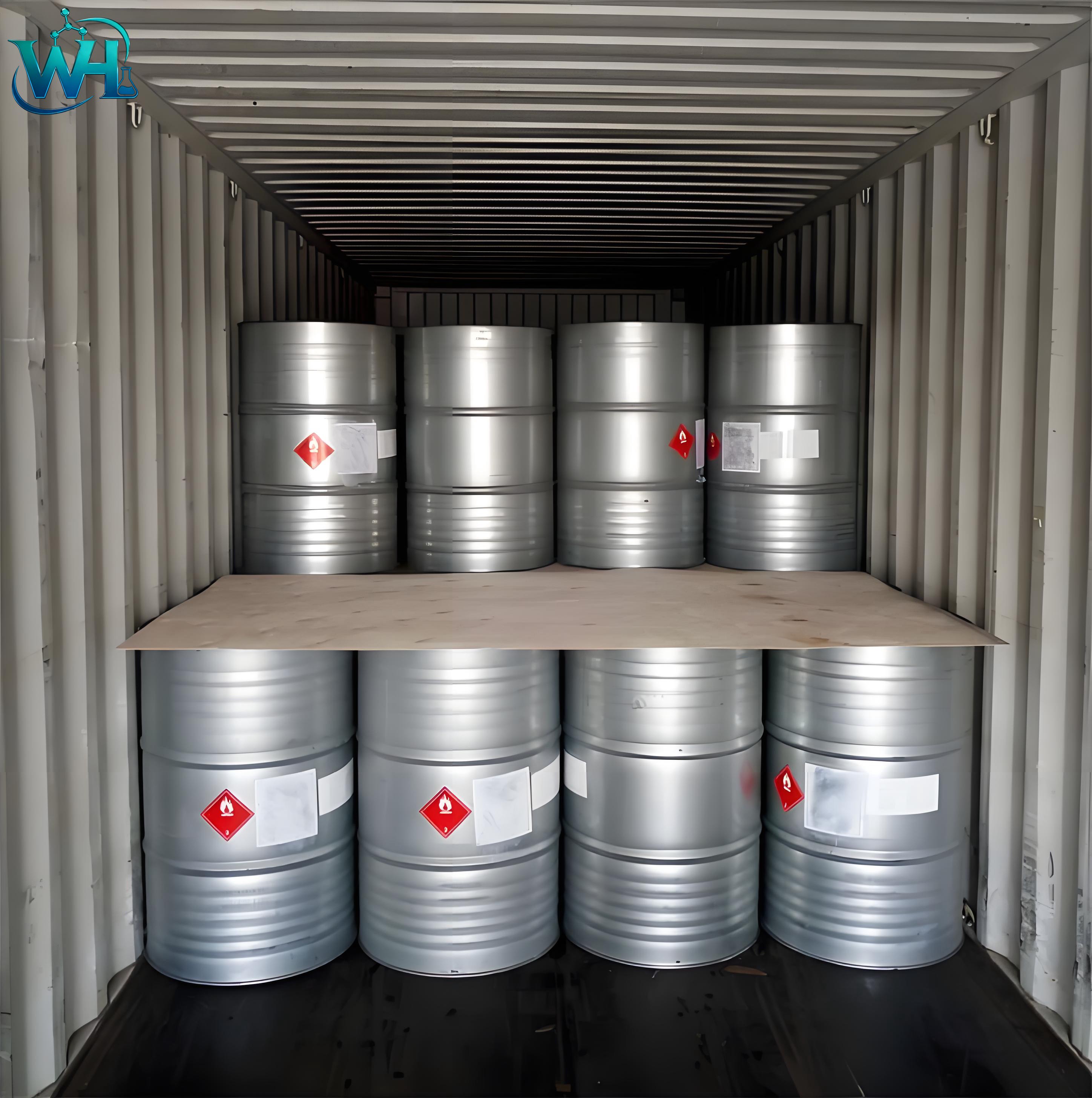
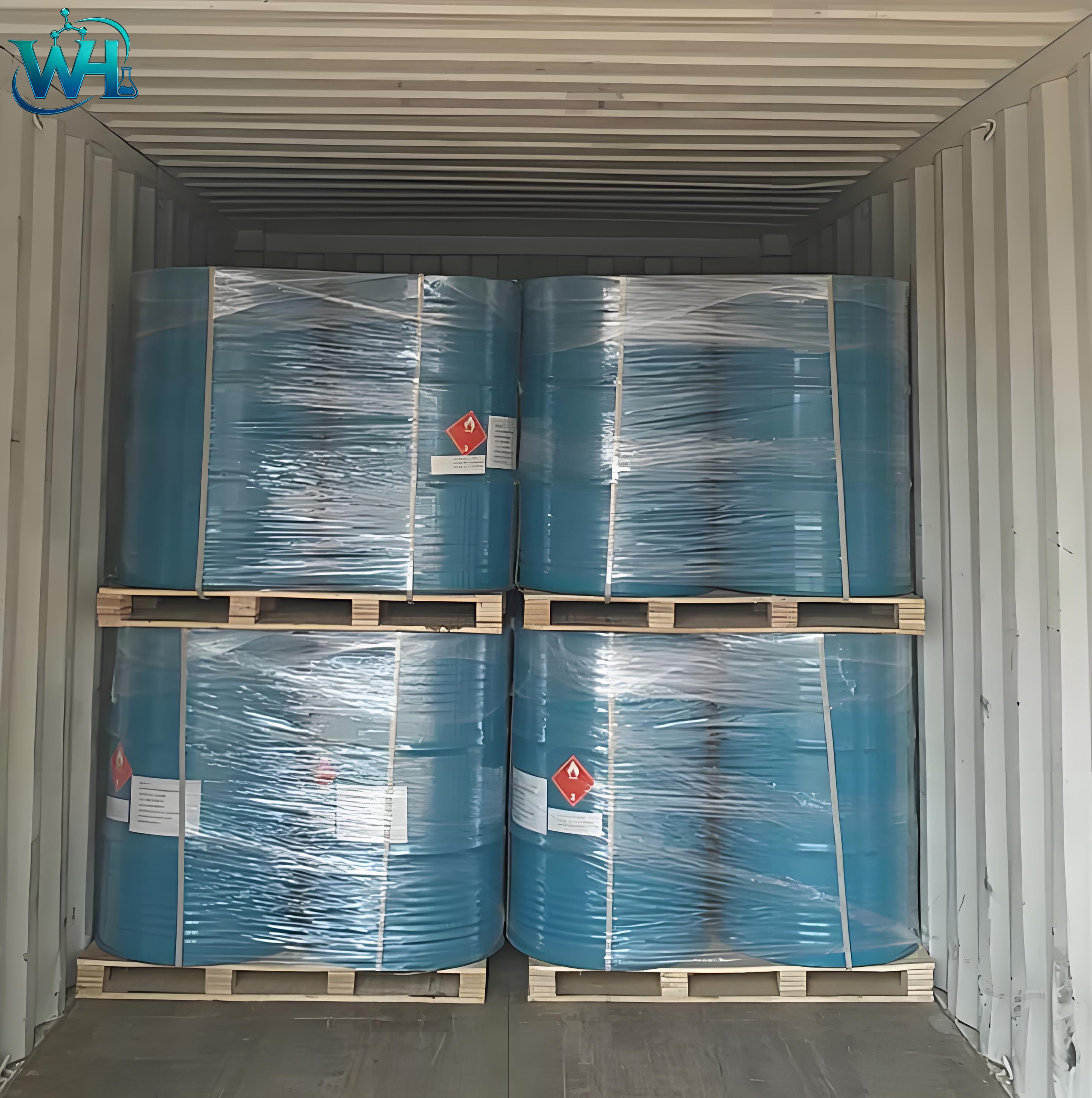
Product Packaging
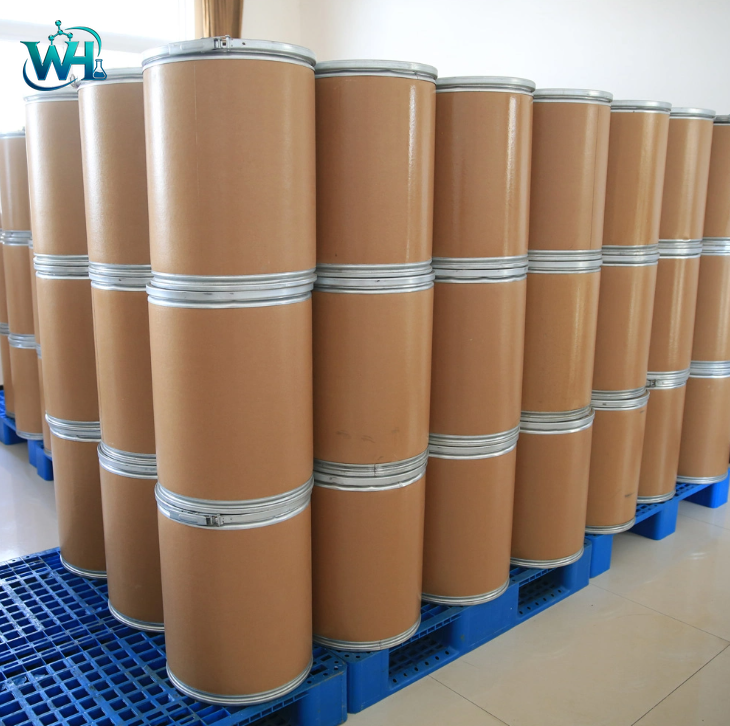
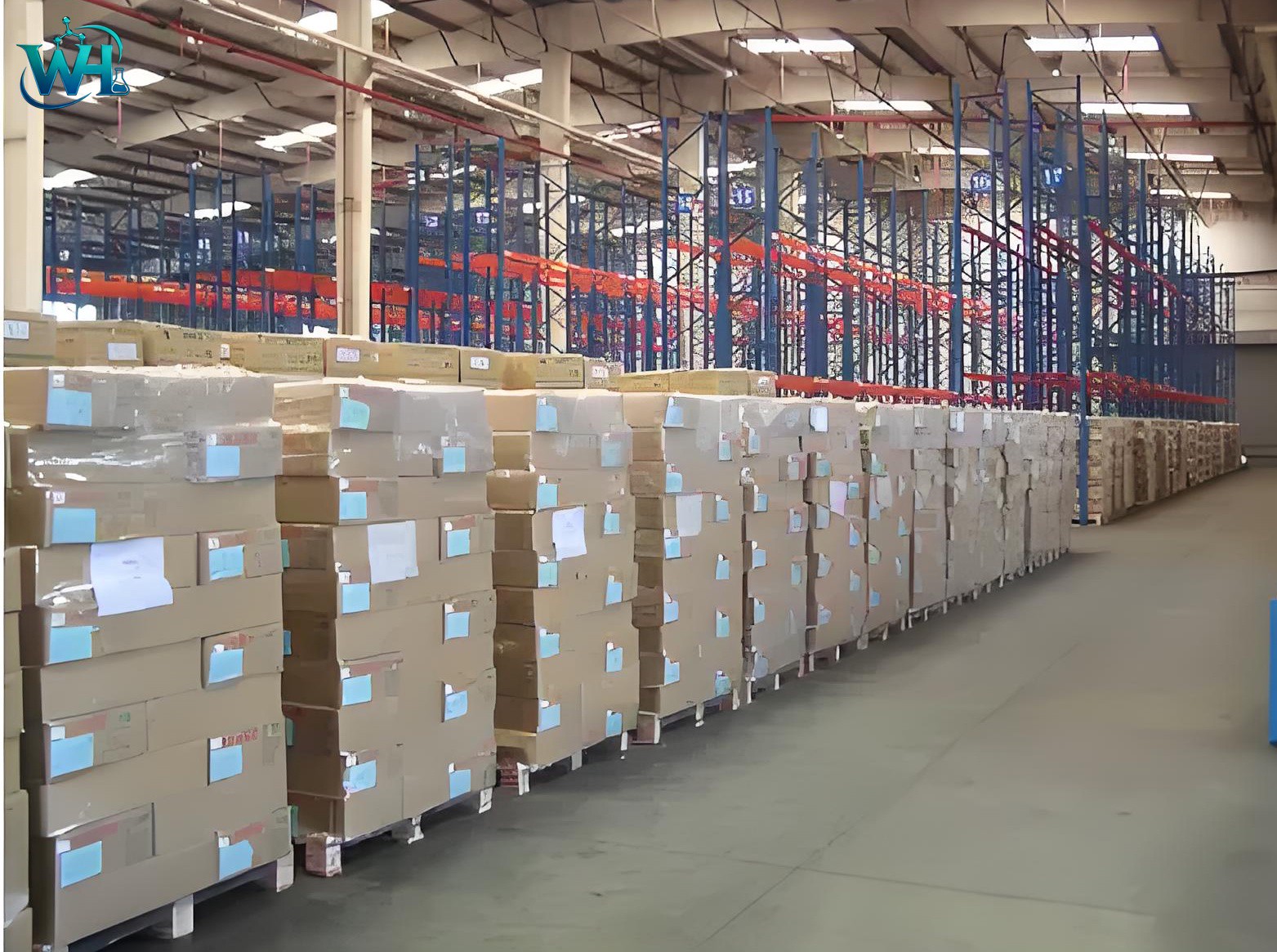
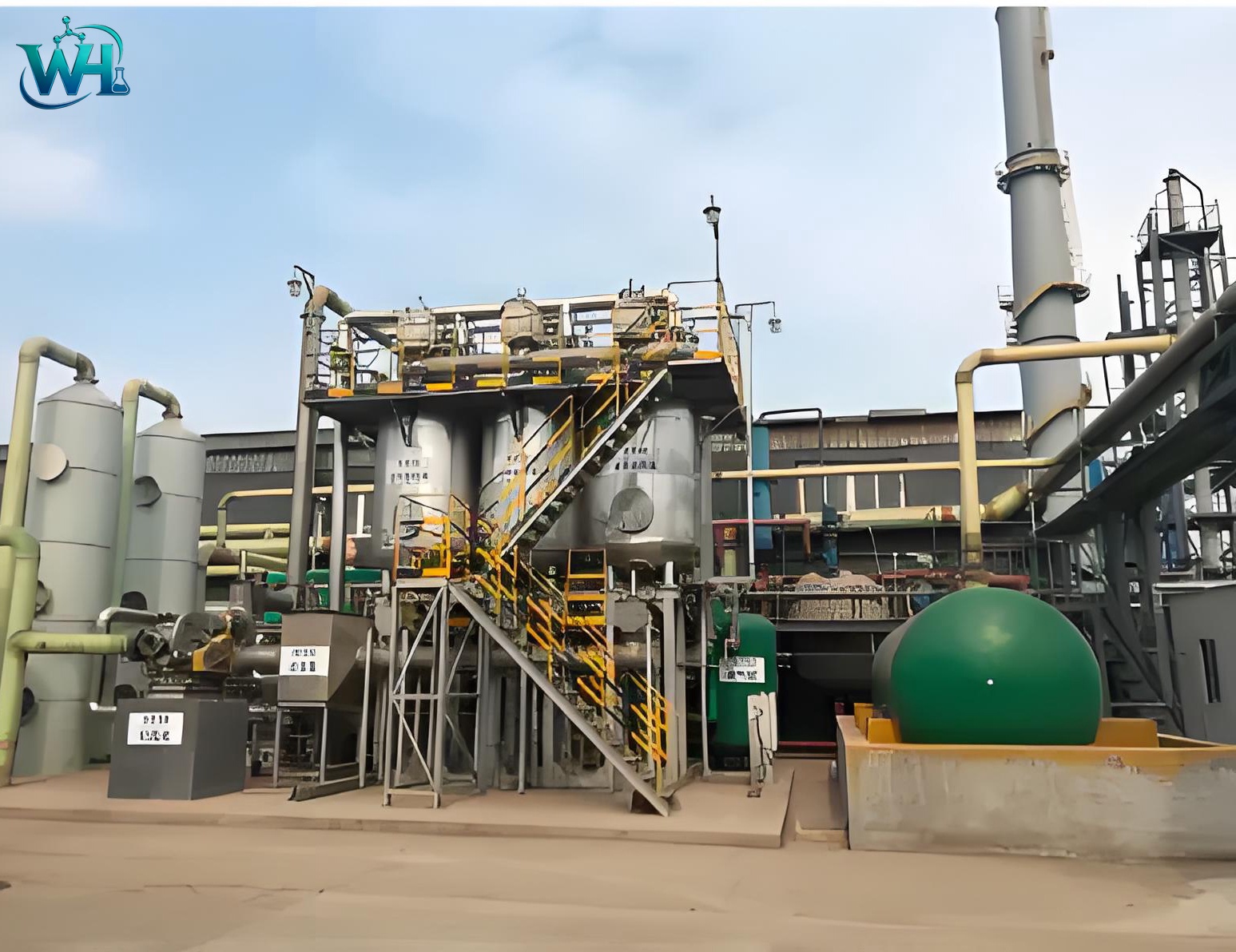
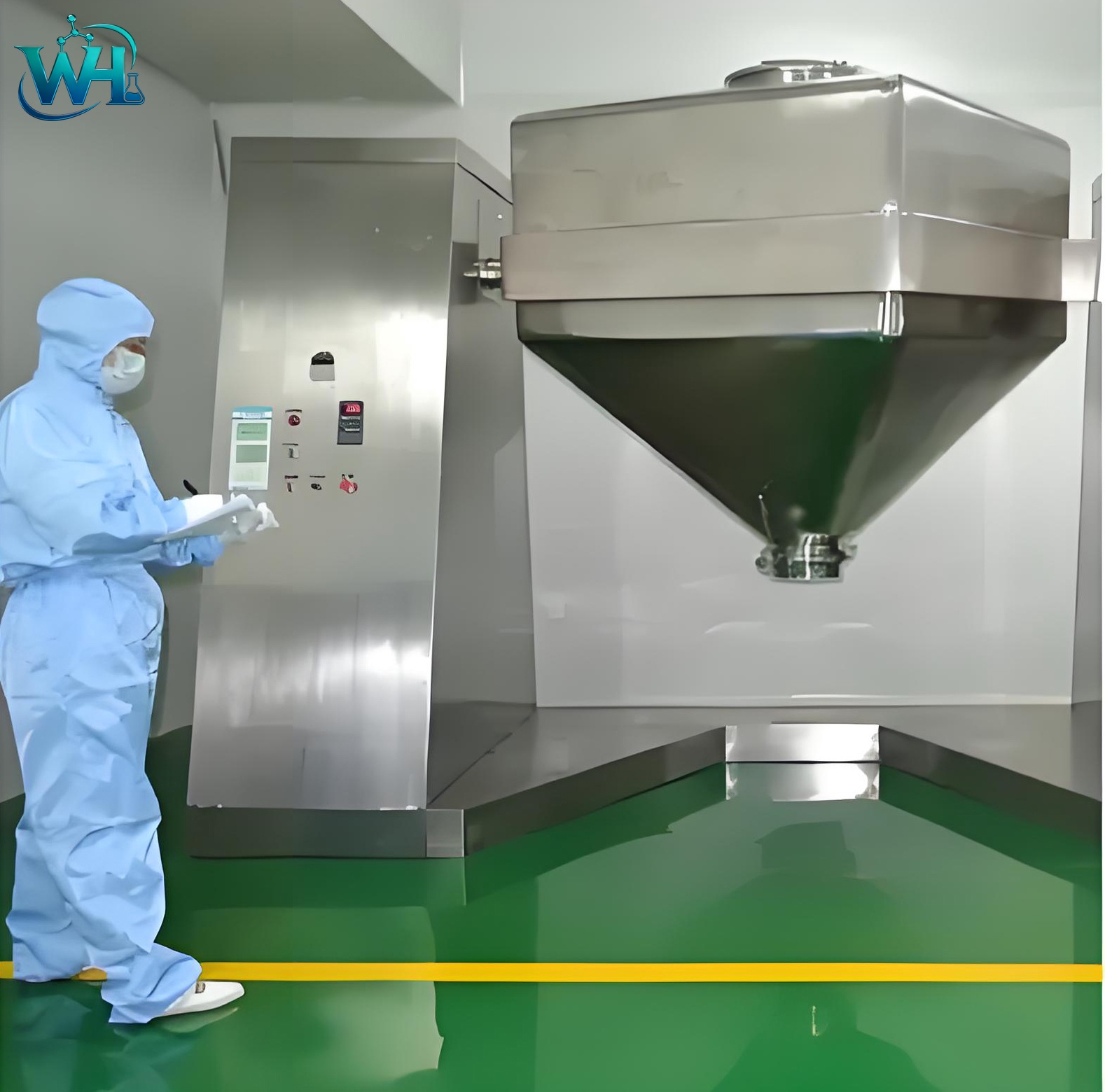
Factory Showcase

FAQ
Q:What about your price?
A:Our price is very competitive because we are a factory. Feel free to contact us if you are interested in our products.
Q:Can I go to your factory to visit?
A:Of course, we welcome customers from all over the world to visit our factory.
Q:How about the delivery time?
A:Within 3-15 days after we confirm you requirement.
Q:What is your terms of payment ?
A:T/T, L/C at sight, Cash, Western Union are all accepted if you have other payment,please contact me.
Q: Do you provide samples?
A:Yes,we could offer the sample for you to test but please pay freight fee.
Contact Us
Related Products
 Oxalic Acid CAS#144-62-7Agricultural Chemicals
 Sodium hydroxide CAS#1310-73-2Agricultural Chemicals
 Methanol CAS#67-56-1Agricultural Chemicals
 N,N-Dimethylformamide CAS#68-12 - 2Agricultural Chemicals
 Ethylene glycol CAS#107-21-1Agricultural Chemicals
 Aniline CAS# 62-53-3Agricultural Chemicals
 Sodium amide CAS#7782-92-5Agricultural Chemicals
 Formaldehyde CAS#50-00-0Agricultural Chemicals
 Melamine-phosphate CAS#41583-09-9Agricultural Chemicals
 Ethylenediaminetetraacetic acid tetrasodium salt trihydrate CAS#67401-50-7Agricultural Chemicals
 PAGOCLONE CAS#133737-32-3Agricultural Chemicals
 Triethylamine CAS#121-44-8Agricultural Chemicals
 Calcium Oxide CAS#1305-78-8Agricultural Chemicals
 Phosphine CAS#7803-51-2Agricultural Chemicals
 Aluminum Phosphide CAS#20859-73-8Agricultural Chemicals
 Phenol CAS# 108-95-2Agricultural Chemicals
 Epichlorohydrin CAS# 106-89-8Agricultural Chemicals
 Neomycin Sulfate CAS# 1405-10-3Agricultural Chemicals
 Acrylonitrile CAS#107-13-1Agricultural Chemicals